
You stretch. You roll your shoulders. You shake out your neck. Yet that knot still won’t let go.
Stubborn tightness is a familiar story for desk workers, drivers, and anyone who trains hard. When light pressure isn’t enough, a deeper approach may help.
This guide explains how deep tissue massage works, why people choose it, and what to expect from a session.

What Is Deep Tissue Massage?
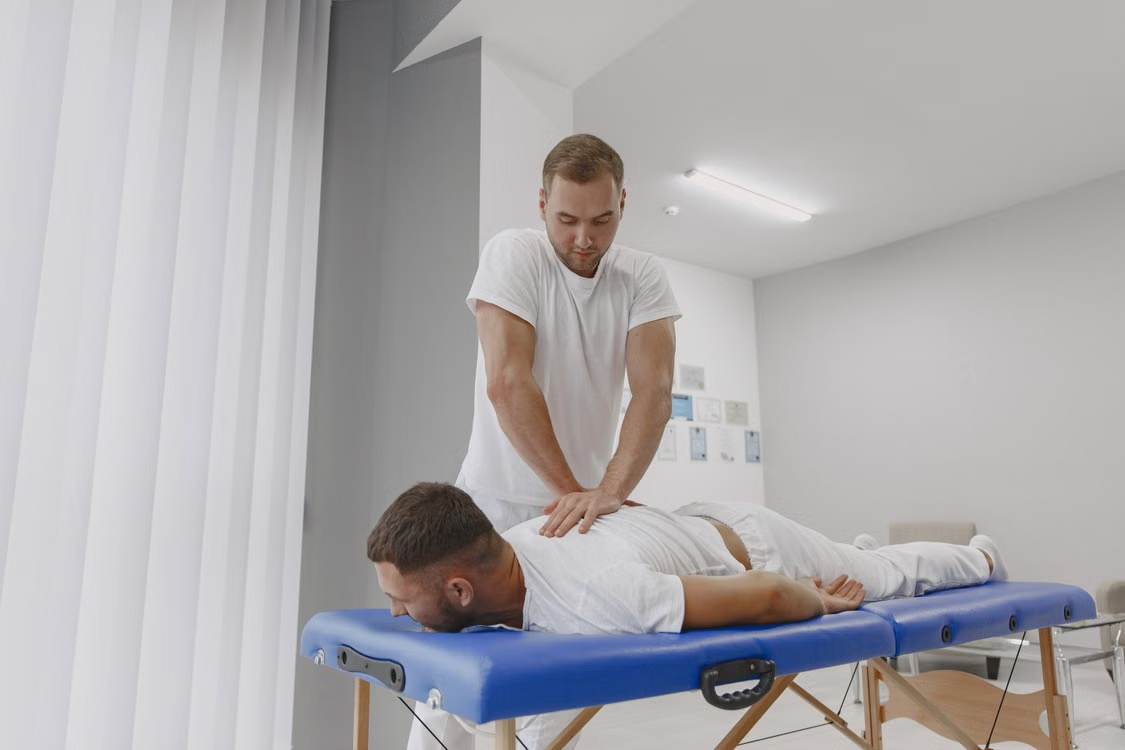
Deep tissue massage uses slower strokes and firmer pressure to reach deeper layers of muscle and the connective tissue around them.
Cleveland Clinic experts say it works into muscles and tendons to release tightness, which suits people with injuries, general tightness, or chronic muscle pain.
It is also more focused than a relaxation massage. Your therapist spends time where tension builds instead of covering everything evenly.
Why People Seek It Out
Persistent tightness often comes from everyday life:
- Desk posture that leaves the neck and upper back tight
- Tired legs after long drives or days on your feet
- Overworked muscles from regular training
- Tight spots that keep coming back
If that sounds familiar, slow, focused pressure on the problem area may be what your routine is missing.
Deep Tissue vs. Swedish Massage
Not every sore muscle needs firm pressure. Swedish massage in Uptown Dallas uses flowing movements and comfortable pressure, a gentler fit for general unwinding.
Healthy U offers both, so you can match the pressure to your goal.
What to Expect During a Session
- Conversation first: Your therapist asks about problem areas and pressure.
- Slow, focused work: Firmer pressure builds gradually.
- Constant feedback: Speak up if it feels too intense. Healthgrades notes you should not feel pain during or after the session.
- Possible soreness: Cleveland Clinic explains that deeper pressure can leave muscles more sore afterward.
Tell your therapist about any injuries or medications before you begin. Deep tissue massage at Healthy U is available in 30, 60, 90, and 120-minute sessions, priced at $70, $90, $120, and $155.
How It May Support Mobility and Recovery
When tight muscles settle, movement may feel smoother. That is why many people pair massage with stretching, strength work, and rest.
Cleveland Clinic also notes that deep massage is commonly used for muscle damage from injuries. Think of it as one helpful part of your recovery routine, not the whole plan.
Who Should Check First
Firm pressure isn’t right for everyone. Healthgrades advises against it with:
- Blood clots, bleeding disorders, or blood thinners
- Fractures, burns, rashes, or healing wounds
- Osteoporosis or pregnancy
Talk to your doctor first if any of these apply.
Ready to Release Stubborn Tension?
If tight muscles keep slowing you down, book a deep tissue massage with a therapist in Dallas at Healthy U. Your therapist uses slower, focused techniques and firmer pressure where appropriate, so the session feels productive, never like a test of endurance.
Visit Healthy U, a gay-friendly spa on Cedar Springs Road in Dallas, and let your muscles unwind.
Call 325-262-8412 to book at 4000 Cedar Springs Rd, Suite B, Dallas.